Bipolar vs. Unipolar Depression: Symptoms, Guide & Free Depression Test
Feeling lost in a fog of confusing mood swings, wondering if your emotional state is simply depression or something more complex like bipolar disorder? You are not alone. Many people struggle to understand the landscape of their own feelings. This guide is here to shed light on the crucial differences between unipolar depression (often called Major Depressive Disorder) and bipolar depression. We will explore the key signs of each, clarify the role of a depression test in your journey, and answer the crucial question: How do I check if I am depressed? Gaining clarity is the first step toward managing your emotional wellbeing, and it begins with understanding what you might be experiencing.
Understanding Unipolar Depression (Major Depressive Disorder)
When people talk about "depression," they are most often referring to unipolar depression, or Major Depressive Disorder (MDD). The term "unipolar" signifies that the mood disturbance occurs in one direction: down. It’s characterized by a persistent feeling of sadness or a loss of interest in activities you once enjoyed, affecting how you feel, think, and behave. For many, taking a preliminary assessment of symptoms is a helpful starting point.
What Are the Core Symptoms of Major Depression?
The experience of MDD goes far beyond simple sadness. It is a cluster of symptoms that significantly impairs daily life. Key indicators often include a persistent low mood, diminished pleasure in almost all activities (anhedonia), significant weight loss or gain, insomnia or excessive sleeping, fatigue or loss of energy nearly every day, feelings of worthlessness or excessive guilt, and difficulty concentrating or making decisions.
Am I Just Sad, or Is It Clinical Depression?
Sadness is a normal human emotion, a natural reaction to loss, disappointment, or difficult situations. It's temporary and usually doesn't interfere with your ability to function. Clinical depression, however, is a persistent and pervasive mood disorder. If these feelings last for more than two weeks and are severe enough to disrupt your work, relationships, and daily routines, it's a sign that you might be dealing with more than just sadness. An online screening tool can help you organize your thoughts on these symptoms.
The Persistent Low: Emotional & Physical Impact
Unipolar depression isn't just an emotional state; it has a profound physical toll. Many people experience unexplained aches and pains, headaches, cramps, or digestive problems. Emotionally, the world can seem gray and hopeless. This constant low state can make even small tasks feel monumental, leading to a cycle of inactivity and worsening mood that feels impossible to break.

Exploring Bipolar Depression: Beyond the Lows
Bipolar disorder is a different kind of mood disorder, defined by dramatic shifts in mood, energy, and activity levels. While it includes periods of depression that can look identical to unipolar depression, its defining feature is the presence of elevated moods, known as manic or hypomanic episodes. This is the core of the bipolar vs depression distinction.
The Spectrum of Moods: Mania, Hypomania, and Depressive Episodes
Understanding bipolar disorder means understanding its different states. A manic episode is a period of abnormally elevated or irritable mood, accompanied by increased energy and activity. Symptoms include inflated self-esteem, decreased need for sleep, being more talkative than usual, racing thoughts, and engaging in impulsive or high-risk behaviors. Hypomania is a less severe form of mania that doesn't cause major impairment in social or occupational functioning. The depressive episodes, however, can be severe and debilitating, mirroring the symptoms of MDD.
Key Distinctions: How Bipolar Mood Swings Differ from Unipolar Depression
The primary difference lies in the "highs." A person with unipolar depression only experiences the lows. A person with bipolar disorder cycles between these lows and the highs of mania or hypomania. These mood cycles can last for days, weeks, or even months. Misdiagnosing bipolar depression as unipolar depression can lead to ineffective treatment, as some antidepressants can trigger manic episodes in individuals with bipolar disorder.

Recognizing the Hidden Signs of Bipolar Depression
Some of the signs of bipolar disorder can be subtle. During a depressive episode, a person might exhibit "atypical" features like sleeping excessively, having a heavier feeling in their limbs ("leaden paralysis"), and being highly sensitive to rejection. The high-energy periods might not always be euphoric; they can also manifest as extreme irritability, agitation, and aggression. Recognizing these patterns is crucial for getting an accurate diagnosis.
The Role of Online Tests: Screening for Depression vs. Bipolar
In the digital age, many turn to online tools for initial insights into their mental health. While incredibly valuable, it’s important to understand their purpose and limitations, especially when considering conditions as complex as bipolar disorder.
What a Standard Depression Screening Test Can (and Cannot) Measure
A standard depression test, like the kind available on our website, is designed to measure the presence and severity of depressive symptoms. It asks questions based on the criteria for Major Depressive Disorder. It can be an excellent first step to quantify your feelings, identify patterns, and help you decide if it's time to speak with a professional. However, it is a screening tool, not a diagnostic one. It cannot tell you why you are experiencing these symptoms.
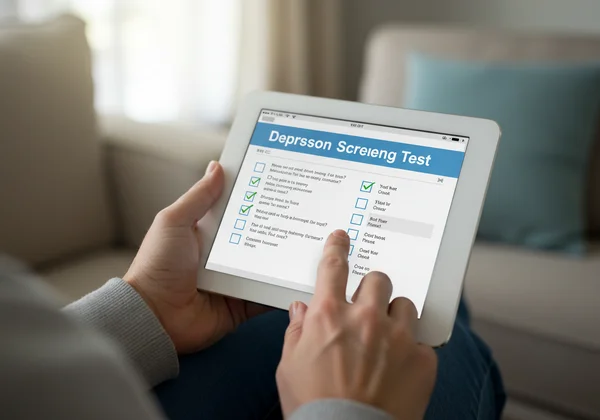
Is There a Specific Online Test for Bipolar Depression?
While there are screeners designed for bipolar disorder (like the Mood Disorder Questionnaire), they are less common and must be interpreted with extreme caution. A standard bipolar depression test or online depression test you might find online is not a substitute for a professional evaluation. This is because these tests often cannot capture the nuances of manic or hypomanic episodes from simple self-reported answers. An accurate diagnosis requires a comprehensive clinical interview.
When Your Results Suggest Further Investigation
If you take a depression test and your results indicate moderate to severe symptoms, that is valuable information. But if you also recognize a history of periods with unusually high energy, impulsivity, or irritability in yourself, it's a critical sign that your situation may be more complex than unipolar depression. The test result is a starting point for a conversation with a healthcare provider, not an endpoint.
When & How to Seek Professional Diagnosis and Support
Self-awareness is empowering, but a professional diagnosis is essential for effective treatment. A mental health professional can conduct a thorough evaluation to understand the full scope of your symptoms and provide an accurate diagnosis.
Preparing for a Consultation: What to Tell Your Doctor
To make the most of your appointment, it helps to be prepared. Before you go, try to track your moods for a week or two. Note your highs and your lows. Write down your key symptoms, including when they started and how they affect your life. Be ready to share your family's mental health history if you know it. Honesty and detail are your best tools for getting the help you need.

The Comprehensive Diagnostic Process for Mood Disorders
A professional diagnosis isn't just a quick checklist. A doctor or therapist will conduct a detailed interview about your symptom history, experiences, and lifestyle. They will rule out other medical conditions that could be causing your symptoms. This professional evaluation is the gold standard for distinguishing between unipolar depression, bipolar disorder, and other related conditions.
Empowering Your Journey: Understanding Your Mood & Taking Action
Distinguishing between unipolar and bipolar depression is not always straightforward, but understanding the key differences is a vital step toward finding the right path forward. Recognizing that bipolar disorder involves both highs and lows, while unipolar depression is characterized by persistent lows, is the core of this knowledge.
While online tools cannot replace a professional diagnosis, they serve a crucial purpose. A scientifically-based depression test can validate your feelings, provide a clear snapshot of your current depressive symptoms, and empower you with the information you need to start a meaningful conversation with a healthcare provider. Your journey to emotional clarity starts with a single, informed step. Begin your self-assessment today to better understand your emotional state.
Disclaimer: This article is for informational purposes only and is not a substitute for professional medical advice, diagnosis, or treatment. Always seek the advice of your physician or other qualified health provider with any questions you may have regarding a medical condition. If you are in crisis, please contact a local emergency hotline immediately.
Frequently Asked Questions About Bipolar vs. Unipolar Depression Testing
Can a standard online depression test diagnose bipolar disorder?
No, a standard online depression test is designed to screen for the symptoms of unipolar depression (the "lows"). It cannot detect the manic or hypomanic episodes that are the defining characteristic of bipolar disorder. Therefore, it cannot provide a diagnosis for bipolar disorder.
What are the primary differences in symptoms between bipolar and unipolar depression?
The main difference is the presence of manic or hypomanic episodes in bipolar disorder. Unipolar depression involves only depressive episodes. While the depressive episodes can look similar, bipolar depression may also involve symptoms like extreme irritability, racing thoughts, and high-risk behaviors during elevated mood states.
When should I consider getting formally evaluated for bipolar disorder?
You should consider a formal evaluation if you experience depressive episodes alongside distinct periods where you have an elevated mood, unusually high energy, a decreased need for sleep, and impulsive behavior. If your moods swing from one extreme to another, a professional evaluation is highly recommended.
How do I distinguish between normal mood swings and those indicative of bipolar depression?
Mood swings indicative of bipolar disorder are more extreme, last longer (for days or weeks), and cause significant disruption to your life, relationships, and work. Normal mood fluctuations are typically less severe and are often tied to specific life events. A great first step can be using an emotional wellbeing tool to get a baseline.
What are the next steps if I suspect I have bipolar depression after taking a depression test?
If a screening test shows depressive symptoms and you also suspect you've had manic or hypomanic episodes, the most important next step is to schedule an appointment with a qualified healthcare professional, such as a psychiatrist or psychologist. Share both your test results and your history of mood episodes with them for a comprehensive evaluation.