Cultural Stigma in Depression Tests: Barriers and Empowering Solutions
Mental health is a universal part of the human experience, yet how we talk about it—or if we talk about it at all—is deeply shaped by our culture. For millions around the world, the idea of seeking help for depression is blocked by an invisible wall: stigma. This fear of judgment, misunderstanding, or shame can make even the first step feel impossible.
Are you worried about what others might think if you sought help for your feelings? This article is for you. We will explore how cultural barriers impact mental health and show how a confidential, anonymous online test can be a safe and empowering first step. Taking a private assessment, like the free depression test available on our site, allows you to gain clarity without pressure.
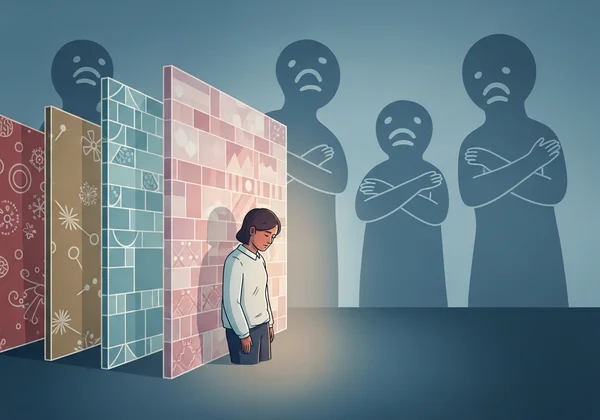
The Silent Struggle: How Cultural Stigma Impacts Mental Health
Stigma creates a lonely and silent struggle for those experiencing mental health challenges. It's the unspoken belief that feeling depressed is a sign of weakness, a personal failure, or something to be hidden from the community. Understanding how this stigma works is the first step toward overcoming it.
Cultural Stigma Manifestations: How Societies Mask Depression Symptoms
Mental health stigma is a set of negative and unfair beliefs that a group or society has about mental illness. In some cultures, depression might not even be seen as a medical condition. Instead, it could be viewed as a spiritual problem, a lack of character, or a consequence of a person's own actions.
This can manifest in different ways. For example, some communities may prioritize "saving face," where admitting to a struggle is seen as bringing shame upon one's family. In others, there's a strong emphasis on being resilient and self-reliant, making it difficult for individuals to admit they can't handle their emotional pain alone. These cultural attitudes discourage open conversation and create significant barriers to seeking help.
Shame, Honor, and Family: Specific Cultural Norms and Mental Health
For many, family and community are sources of great strength. However, deeply held cultural values can sometimes complicate mental health conversations. Concepts like family honor, reputation, and collective identity can put immense pressure on an individual to appear strong and composed at all times.
In such environments, admitting to feelings of depression can feel like a betrayal of one's family or a disruption to group harmony. The fear isn't just about personal judgment; it's about the potential impact on the entire family's social standing. This weight of expectation forces many to suffer in silence, believing that their personal well-being is less important than the family's image.
The Fear of Judgment: Why People Avoid Seeking Depression Help
At its core, stigma is fueled by fear—the fear of being judged, misunderstood, or treated differently. People worry that if they reveal their struggles, they might lose their job, damage relationships, or be labeled as "unstable" or "weak." This fear is not imaginary; it is often rooted in real social consequences.
When a community lacks understanding about mental health, individuals who are struggling are often isolated. This avoidance of professional help is a direct result of stigma. The desire to belong and be accepted is a fundamental human need, and the risk of losing that connection often outweighs the need to seek support for one's mental health.

Recognizing Symptoms: When Cultural Lenses Mask Depression Signs
Depression doesn't look the same for everyone, and cultural backgrounds play a huge role in how its symptoms are expressed and perceived. The classic signs we often hear about—like persistent sadness—may be hidden or replaced by other complaints that are more socially acceptable within a particular culture.
Am I Depressed or Just Sad? Cultural Expressions of Emotional Distress
This is one of the most common questions people ask themselves. Sadness is a normal human emotion that comes and goes in response to life events. Depression, on the other hand, is a persistent feeling of emptiness or despair that interferes with your ability to function in daily life.
Culturally, this distinction can be blurry. In many societies where expressing emotion is discouraged, individuals may not report feeling "sad" at all. Instead, they might describe a sense of deep fatigue, a loss of interest in activities they once enjoyed, or a feeling of emotional numbness. Understanding these different cultural expressions is key to recognizing that something more serious than sadness might be going on. If you're unsure where you stand, a preliminary screening tool can offer valuable insight.
The 'Strong One' Fallacy: Gender Roles and Masked Depression Symptoms
Gender roles and cultural expectations often dictate how men and women are "supposed" to behave. Men are frequently taught to be stoic, tough, and in control of their emotions. As a result, depression in men might not look like sadness but rather manifest as anger, irritability, aggression, or reckless behavior. They may be more likely to turn to substances to cope with their feelings.
Women, conversely, are often socialized to be caretakers who put others' needs before their own. They might feel pressure to maintain a happy facade for their family, even when they are struggling internally. This can lead to "smiling depression," where a person appears cheerful and high-functioning on the outside while experiencing depressive symptoms in private.
Physical Complaints: How Mental Health Challenges Manifest Physically in Some Cultures
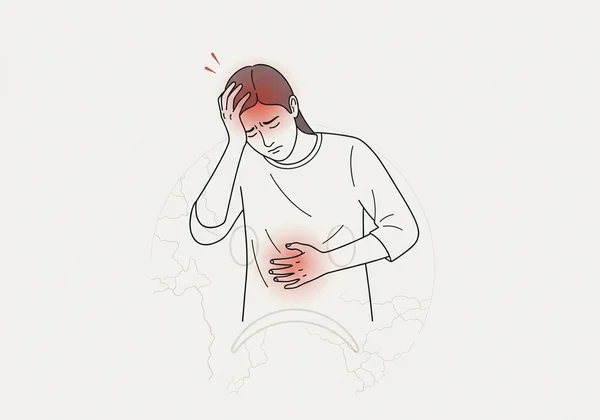
In many cultures, it is far more acceptable to talk about a physical ailment than an emotional one. Because of this, emotional distress is often expressed through the body. This is known as somatization.
Instead of saying, "I feel hopeless," a person might complain of chronic headaches or stomach pain. They may visit doctors repeatedly for a physical cause, not realizing the root is psychological. Unexplained physical pain can be a key warning sign of depression. This is especially true in cultures where direct emotional expression is limited.
Your First Step: The Power of an Anonymous Online Depression Test
Cultural stigma breeds fear of judgment. A safe, private space lets you explore your feelings without pressure. An anonymous online depression test offers exactly that. It's a confidential first step that puts you in control of your mental health journey without any risk of exposure.
Why Anonymity and Confidentiality Matter in Mental Health Testing
For anyone worried about stigma, anonymity is everything. It removes the fear of being seen, labeled, or judged. When you take an online test, you don't have to provide your name or any identifying information. This creates a safe environment where you can be completely honest about your thoughts and feelings.
Confidentiality ensures that your responses are private. Reputable platforms are designed to protect user privacy, allowing you to explore your emotional state with peace of mind. This privacy is the key that unlocks the door for many who would otherwise never seek help.
How a Free Online Depression Test Can Empower Your Self-Assessment
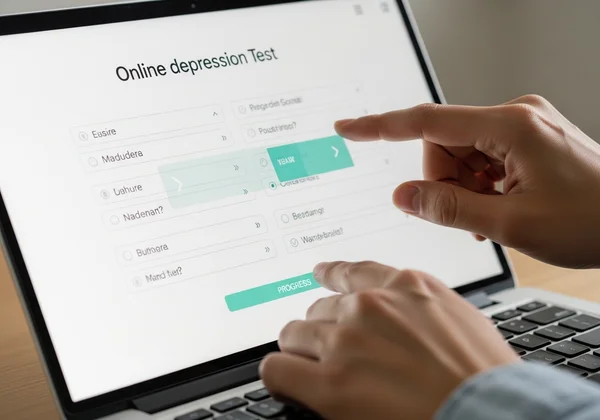
Knowledge is power. Taking a free online depression test is an act of self-empowerment. It helps you move from a state of uncertainty and worry to one of clarity and understanding. Instead of guessing or dismissing your feelings, you can use a tool based on established scientific screening principles to get a preliminary assessment.
This simple action can validate your experience, helping you realize that what you're feeling is real and significant. It's a proactive step toward taking charge of your well-being. Getting an initial result can provide the confidence you need to decide on your next steps, whether that's learning more self-care strategies or considering a conversation with a trusted professional. You can start your test in just a few minutes.
Understanding Your Preliminary Results and Next Steps
After completing the questionnaire, you'll receive an immediate summary of your results. It's important to remember that an online screening test is not a medical diagnosis. Instead, think of it as a helpful indicator—like checking your temperature when you feel unwell. It provides a snapshot of your current emotional state.
Your results can help you understand the severity of your symptoms and can serve as a starting point. A 'moderate' score? Consider stress-management techniques. A 'severe' result? It’s a sign to speak with a professional. The goal is to provide you with objective information so you can make an informed decision about what to do next.
Taking Control: Embracing Your Mental Health Journey Beyond Stigma
Cultural stigma is a powerful force, but it doesn't have to define your story. Recognizing how your background shapes your perception of mental health is a sign of strength, empowering you to take a private step to understand what you're going through.
Your feelings are valid. Your well-being matters. Overcoming the fear of judgment begins with finding knowledge in a safe space, and an online depression test provides just that—clarity without compromise.
Begin your journey in a private, judgment-free space. Our free depression test honors your courage to seek clarity—no names, no pressure.
The Takeaway
How do I check if I am depressed anonymously and confidentially?
Want total privacy? Our anonymous online test uses recognized scientific methods—no email or personal details required.
What are the warning signs of depression that cultural norms might hide?
Cultural norms can mask classic symptoms. Look for less obvious signs, such as unexplained physical ailments (headaches, digestive issues), persistent irritability or anger, social withdrawal, a significant change in sleep or appetite, or a loss of interest in hobbies. In some, it may appear as workaholism or other forms of escapism.
Is an online depression screening test reliable for diverse cultural backgrounds?
High-quality online screening tests are based on universal diagnostic criteria used by professionals worldwide. While they are a reliable starting point for self-assessment, it's important to consider your results within your own cultural context. The test provides a valuable snapshot, but it cannot replace a nuanced diagnosis from a culturally competent professional. You can use the online test to gather information before deciding on further steps.
How can I overcome the fear of judgment when thinking about mental health?
Overcoming this fear is a process. Start small:
- Educate yourself privately using anonymous resources.
- Take an anonymous online test to validate your feelings without risk.
- Confide in one person you trust completely, if possible.
- Reframe your thinking: Remember that seeking help is a sign of courage and self-respect, not weakness.