Free Seasonal Depression Test: Spot SAD Symptoms Early
As the days get shorter and the skies turn grey, do you ever feel a heavy mood settling in? For many, the change of seasons brings more than just colder weather. It can bring a persistent feeling of sadness, fatigue, and a loss of interest in daily life. Is this just the "winter blues," or could it be something more?
If this pattern feels familiar, you might be experiencing Seasonal Affective Disorder (SAD). This guide is here to help you understand this common condition. We will explore what SAD is, its typical symptoms, and what causes it. Most importantly, we'll show you how a simple online screening can be a valuable first step. Taking a confidential seasonal depression test can offer the clarity you need to start feeling like yourself again.

What Exactly is Seasonal Affective Disorder (SAD)?
Seasonal Affective Disorder, or SAD, is a type of depression that is related to changes in seasons. For most people, SAD begins in the fall and continues through the winter months, draining their energy and making them feel moody. Less often, SAD can cause depression in the spring or early summer.
It's a recognized mental health condition, not just a passing mood. Understanding its specific characteristics is key to managing it effectively. By learning to identify its patterns, you can take control of your emotional wellbeing.
Beyond the "Winter Blues": Understanding the Phenomenon
Many people feel a little down during the winter. It’s common to feel less energetic when it's cold and dark outside. However, the "winter blues" are typically mild and short-lived. They don't usually interfere with your ability to function in your daily life.
SAD is different. It's a predictable, recurring pattern of depression that significantly impacts your mood, thoughts, and behavior. The symptoms are more severe and can affect your work, relationships, and overall quality of life. Recognizing this difference is the first step toward getting the right support.
Common SAD Symptoms: Are You Experiencing Them?
The signs of winter-onset SAD often mirror those of major depression but follow a distinct seasonal pattern. If you're concerned, see if you recognize several of the following symptoms reappearing each year:
-
Persistent Low Mood: Feeling depressed, hopeless, or worthless for most of the day, nearly every day.
-
Loss of Interest: Losing pleasure in activities you once enjoyed, from hobbies to socializing.
-
Changes in Sleep: Oversleeping and still feeling tired (hypersomnia) is very common in winter SAD.
-
Low Energy: A constant feeling of fatigue and lethargy, making even small tasks feel overwhelming.
-
Appetite and Weight Changes: Craving carbohydrates and simple sugars, leading to overeating and weight gain.
-
Difficulty Concentrating: Trouble focusing, making decisions, or remembering things.
-
Social Withdrawal: Feeling the urge to "hibernate" and avoid social situations or contact with friends and family.
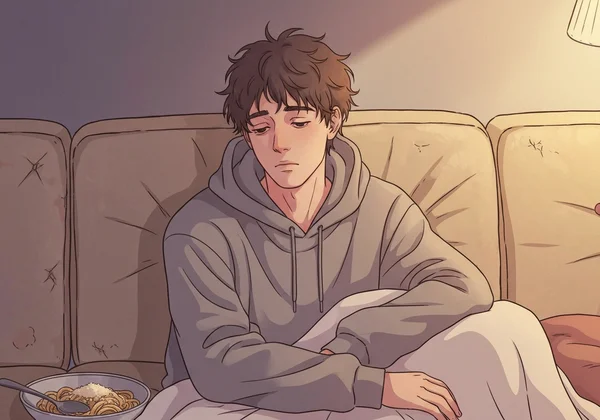
Do these hit every fall and vanish by spring? That's a classic SAD sign. Try an initial online screening to dig deeper.
Causes & Risk Factors for Seasonal Depression
While the exact cause of SAD is still unknown, experts believe several biological factors play a crucial role. Understanding these potential causes can help you see why certain coping strategies are so effective. It’s not about a lack of willpower; it’s about your body's response to its environment.
These can team up into a mood 'perfect storm.' But here's the good news: understanding the science puts you in control.
The Science Behind Seasonal Mood Shifts: Light, Melatonin & Serotonin
Your body has an internal clock, known as your circadian rhythm, which is heavily influenced by sunlight. The reduced sunlight in fall and winter can disrupt this internal clock, leading to feelings of depression. Three key chemicals are involved:
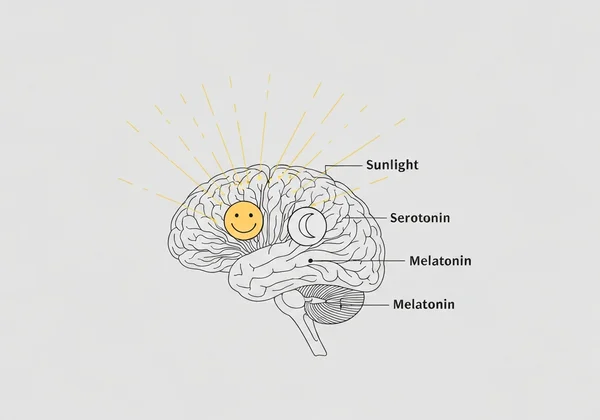
- Serotonin: This brain chemical affects your mood. Reduced sunlight can cause a drop in serotonin, which may trigger depression.
- Melatonin: This chemical plays a role in sleep patterns. The change in season can disrupt the balance of melatonin in the body, affecting both sleep and mood.
- Light: Less exposure to sunlight can directly impact the brain regions that regulate mood and energy.
These biochemical changes explain why SAD is a genuine physiological condition, not just a feeling of sadness.
Who is Most Susceptible to Seasonal Affective Disorder?
Certain factors can increase your risk of developing SAD. While anyone can experience it, you may be more susceptible if you:
- Live far from the equator: SAD is more common in people who live in places with long winter nights and less sunlight.
- Have a family history of depression: If relatives have experienced SAD or other forms of depression, your risk may be higher.
- Already have depression or bipolar disorder: Symptoms of these conditions can worsen seasonally for some individuals.
- Are a younger adult: SAD is more frequently diagnosed in younger people, though it can occur at any age.
If you fall into one or more of these categories, being mindful of your mood during seasonal transitions is especially important.
Taking a Free Seasonal Affective Disorder Screening
Wondering if your symptoms line up with SAD? You don't have to guess. An online screening gives quick, private insights into your mood. It's an easy first move.
Our platform provides a free, science-based depression screening that can help you understand your feelings. It's designed to be quick, easy, and completely private, giving you a summary of your emotional health without any pressure. Why not start your test now?

How Our Online Test Can Help Identify SAD Symptoms
Our online test is based on widely recognized psychiatric screening principles. It asks a series of questions about your mood, energy levels, sleep patterns, and other feelings you've experienced recently. By answering honestly, you can get a clearer picture of your situation.
The test helps by:
- Providing Structure: It organizes your feelings into a clear, understandable framework.
- Offering Objectivity: It gives you an objective snapshot of your symptoms.
- Ensuring Privacy: You can explore your mental health from the comfort and privacy of your own home.
- Delivering Instant Insight: You receive an immediate results summary, helping you decide on the next steps.
Interpreting Your Seasonal Depression Test Results
After completing the questionnaire, you'll receive a score that indicates a potential level of depressive symptoms—such as mild, moderate, or severe. This score is not a diagnosis. Instead, think of it as a helpful piece of information, a starting point for a deeper conversation.
It can help you answer the question, "Are my feelings significant enough to address?" If your score suggests moderate to severe symptoms, it’s a strong signal that speaking with a healthcare professional would be a beneficial next step. It empowers you with data to better advocate for your own health.
Beyond the Test: Coping Strategies & Seeking Support
Receiving your test results is just the beginning. The real goal is to use that information to improve your wellbeing. Fortunately, there are many effective strategies for managing SAD, from simple self-care routines to professional medical treatments.
Taking action is the most powerful way to combat feelings of hopelessness. Even small, consistent efforts can make a big difference in how you feel during the darker months of the year.
Practical Self-Care Tips for Managing Winter Mood Dips
Here are some evidence-based strategies you can incorporate into your daily routine to help manage SAD symptoms:
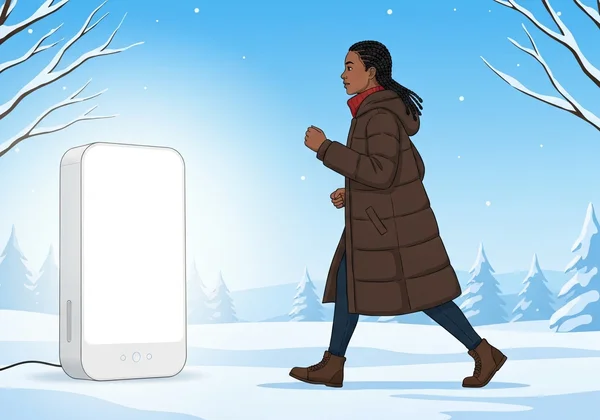
- Maximize Light Exposure: Get outside for a walk during daylight hours, especially in the morning. Keep your blinds open at home and work near a window if possible.
- Consider Light Therapy: A light therapy box mimics natural outdoor light and can be an effective treatment for SAD. Talk to your doctor before starting.
- Stay Active: Regular physical activity is a powerful mood booster. Even 30 minutes of moderate exercise most days can help.
- Maintain a Schedule: Keep a consistent sleep-wake cycle, even on weekends, to help regulate your body's internal clock.
- Eat a Balanced Diet: Avoid relying on sugary foods and refined carbs for energy. Focus on whole foods that provide sustained energy.
When to Talk to a Professional About Your Seasonal Depression
Self-care is important, but it isn't always enough. If your symptoms are making it difficult to get through your day, affecting your relationships, or causing you significant distress, it is crucial to seek professional help.
Make an appointment with your doctor or a mental health professional if:
- Your mood doesn't improve with self-care strategies.
- You are using unhealthy coping mechanisms like alcohol or drugs.
- You have thoughts of hopelessness or feel that life isn't worth living.
A professional can provide an accurate diagnosis and recommend treatments like talk therapy (psychotherapy) or medication, which can be highly effective for SAD.
Ready to Take Action Against SAD?
You've got this—seasonal dips don't have to define your winter. Understanding that SAD is a real, treatable condition is the first step. Picture this: a quick, private test gives you the nudge you need to feel brighter. Our science-based screening offers immediate insights to help you take back control.
Give it a go right now. Try our free tool and start your journey toward a brighter season.
The Takeaway
How do I check if I am experiencing seasonal depression?
Observing your patterns is key. If you consistently see depressive symptoms start in the fall and fade in the spring, that's a strong sign of SAD. To get a clearer picture, a great starting point is to take a free online seasonal depression test. A tool like our free depression test can help organize your thoughts before speaking with a professional.
Is seasonal depression the same as "winter blues"?
No, they are different. The "winter blues" refers to a mild, temporary feeling of sadness or low energy that many people experience during the winter. Seasonal Affective Disorder (SAD) is a clinical form of depression with more severe symptoms that significantly impact your ability to function and enjoy life.
What are the main warning signs of Seasonal Affective Disorder (SAD)?
The main warning signs include a persistent low mood, loss of interest in activities, significant fatigue, oversleeping, craving carbohydrates, and social withdrawal. The key factor is that these symptoms appear in a seasonal pattern, typically starting in the fall and resolving in the spring.
Can an online screening accurately identify seasonal depression?
An online screening tool cannot provide a formal medical diagnosis. However, it is an excellent and highly accurate first step for identifying symptoms consistent with SAD. It can provide you with a clear, objective summary of your emotional state, which is valuable information to share with a doctor or mental health professional for a full evaluation.