How to Help a Depressed Friend: Support & Suggest a Test
Watching a friend struggle with mental health is profoundly challenging. You want to help, but it’s often difficult to know where to start. If you're wondering how to help a depressed friend, you've already taken the most important step: showing you care. This guide offers compassionate, actionable advice on supporting your loved one and helping them understand their feelings. Answering What are the warning signs of depression? is the first step, and a great way to start is by encouraging an assessment to gain some clarity.

Recognizing the Signs: Is Your Loved One Depressed?
To offer support, it's helpful to first understand what your friend might be experiencing. Depression is more than just sadness; it's a persistent low mood that affects daily life. While only a professional can make a diagnosis, recognizing potential symptoms is crucial.
Subtle Behavioral Changes to Watch For
Often, the first clues are small shifts in behavior. Your once-social friend may start canceling plans consistently or withdrawing from group chats. They might lose interest in hobbies they used to love, like playing music, gaming, or going for runs. You may also notice changes in sleep patterns, such as sleeping too much or struggling with insomnia. These subtle shifts are often the most significant early warning signs.
Emotional and Physical Symptoms of Concern
Emotionally, your friend might seem unusually irritable, pessimistic, or express feelings of worthlessness and guilt. They might have difficulty concentrating or making decisions that once came easily. Physically, depression can manifest as persistent fatigue, unexplained aches, or significant changes in appetite and weight. Listening for phrases like "I'm just so tired all the time" or "Nothing matters anyway" can offer insight into their emotional wellbeing.

When to Seek Immediate Professional Help
Take any mention of self-harm or suicide seriously. If your friend expresses a desire to hurt themselves, talks about feeling hopeless, or starts giving away possessions, immediate intervention is necessary. This is not a moment for hesitation. Help them contact a crisis hotline or mental health professional right away. Your role here is to connect them with urgent, professional care, not to handle the crisis alone.
Starting the Conversation: What to Say (and What Not To)
Figuring out what to say to someone with depression can be intimidating. The key is to approach the conversation with empathy, patience, and non-judgment. Your goal isn't to fix them but to let them know they are not alone.
Creating a Safe, Non-Judgmental Space
Choose a time and place where you can speak privately and without interruption. Start by expressing your concern from a place of love. Use "I" statements to avoid sounding accusatory. For instance, instead of saying "You've been so distant lately," try "I've been a little worried about you recently because I've noticed you seem down." This approach feels less like a confrontation and more like genuine care.
Practical Conversation Starters and Active Listening Tips
Sometimes, a simple, open-ended question is the best way to begin. Try one of these conversation starters:
- "I've noticed you haven't seemed like yourself lately. How have you been feeling?"
- "It seems like you've been under a lot of stress. I'm here to listen if you want to talk."
- "I care about you and I'm here for you, no matter what."
When they do start talking, practice active listening. Put your phone away, make eye contact, and listen to understand, not just to respond. Validate their feelings by saying things like, "That sounds incredibly difficult," or "I'm so sorry you're going through that." This simple act of validation can make a world of difference.

Common Pitfalls: What to Avoid Saying or Doing
While your intentions may be good, certain phrases can be invalidating or harmful. Avoid statements like "Just be positive," "Snap out of it," or "It's all in your head." Refrain from comparing their situation to someone else's or offering unsolicited advice about diet and exercise unless they ask. Your primary role right now is to be a stable and supportive presence, not a problem solver. Providing emotional support is your most powerful tool.
Guiding Towards Help: Gently Suggesting a Depression Test
After you’ve opened a line of communication, you can encourage someone to get help. Suggesting an online assessment can be a fantastic, low-pressure way to bridge the gap between acknowledging a problem and seeking professional help.
Why an Online Assessment Can Be a Non-Threatening First Step
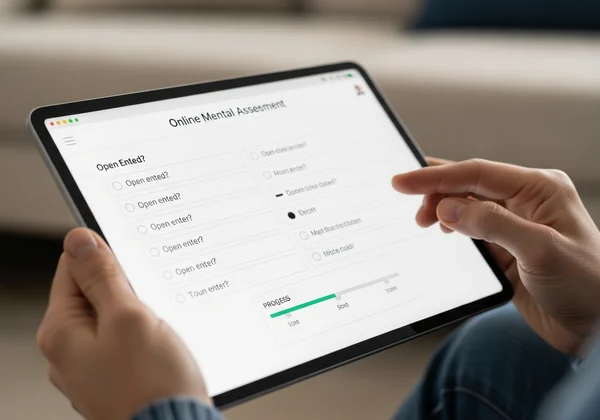
For someone struggling with their mental health, the idea of scheduling a doctor's appointment can feel overwhelming. An online test is private, immediate, and can be done from the comfort of their own home. It empowers them to take a small, manageable step toward understanding their feelings. A resource like a free depression test can help demystify their experience by framing it in a structured way.
How to Introduce the Idea of a Confidential Depression Test
Introduce the idea gently and supportively. Frame it as a tool for understanding, not a diagnostic label. You might say something like: "I was reading about this online. There are confidential, free tools that can help you make sense of what you're feeling. It’s not a diagnosis or anything, but it might offer some insight. Would you be open to looking at one with me?"
Offering to sit with them while they take a depression test (or just be in the same room) can provide immense comfort. It shows you’re a true partner in their journey.
Emphasizing Support and Understanding, Not Diagnosis
Stress that online screeners are for informational purposes only. They do not replace a professional diagnosis. Remind your friend that the goal is simply to gather information and get a clearer picture of their emotional state. The results from a confidential assessment can serve as a helpful starting point for a conversation with a doctor or therapist when they feel ready.
Supporting Them Through Their Journey (and Prioritizing Your Own Well-being)
Your support doesn't end after one conversation. Recovery is a journey with ups and downs; a consistent, compassionate friend makes all the difference. At the same time, it's vital to protect your own mental health.
Long-Term Support Strategies and Resources
Continue checking in with your friend, even if it’s just a simple text asking how their day was. Invite them to low-key activities like going for a walk or watching a movie, but be understanding if they decline. Offer practical help, like assistance with errands or cooking a meal, as depression can make daily tasks feel monumental. Being a reliable part of their support system is invaluable.
Setting Healthy Boundaries and Practicing Self-Care as a Supporter
You cannot pour from an empty cup. Supporting someone with depression can be emotionally draining, so setting healthy boundaries is essential. Recognize that you are not their therapist and that it's not your responsibility to "fix" them. Make time for your own hobbies and friends, get enough rest, and consider talking to someone yourself if you feel overwhelmed. Your well-being matters, too.
Continuing Your Support: Empowering Their Journey to Wellbeing
Your love and compassion in learning how to help a depressed friend are invaluable. By recognizing the signs, starting a gentle conversation, and guiding them toward helpful resources, you become a powerful force for good in their life. Remember that your vital role is to support, not to save.
Encouraging your friend to explore their feelings is a profound act of kindness. A great first step can be a free, confidential, and science-based online assessment. Invite them to explore our assessment to gain private insights into their emotional health. Your support could be the light that helps them find their way forward.
Frequently Asked Questions About Supporting a Loved One with Depression
How can I tell if my friend is truly depressed, or just going through a tough time?
The key difference is duration and impact. Sadness from a tough time is usually temporary and linked to a specific event. Depression is a persistent state of low mood, loss of interest, and other symptoms that lasts for at least two weeks and significantly interferes with daily functioning. If you're unsure, encouraging them to use an online screening tool can help provide some initial clarity.
What if my friend refuses help or gets angry when I suggest it?
This is a common and difficult situation. It’s important not to take it personally. They may be feeling scared, ashamed, or overwhelmed. Reiterate that you are there for them no matter what and that your concern comes from a place of love. Don't push the issue, but leave the door open for them to come to you when they're ready.
Is it my responsibility to "fix" my friend's depression?
No, it is not. Your role is to be a supportive friend, not a therapist. True recovery requires professional help and your friend's own commitment. The best thing you can do is offer unwavering emotional support, listen without judgment, and help them connect with resources like a doctor or a reliable depression screening test.
Where can I find additional resources for friends and family of those with depression?
Organizations like the National Alliance on Mental Illness (NAMI) and the Depression and Bipolar Support Alliance (DBSA) offer excellent resources, support groups, and educational materials specifically for family and friends. Educating yourself is a powerful way to provide better support.
Disclaimer: This article is for informational purposes only and does not constitute medical advice. The tools and information on this site are not intended to diagnose, treat, or cure any condition. Please consult with a qualified healthcare professional for any health concerns or before making any decisions related to your health or treatment.
If you or someone you know is in immediate crisis, please contact a national suicide prevention hotline. In the U.S., you can call or text 988 anytime. You are not alone.