Major Depression, Clinical Depression, and MDD Explained
If you searched for "major depression clinical depression," you are probably trying to sort out whether these terms mean the same thing, whether your symptoms are serious, or what kind of help might make sense. In everyday speech, people often use depression to describe sadness, stress, numbness, or a hard season. In health information, major depressive disorder, major depression, and clinical depression usually point to a more specific pattern of symptoms that affects mood, interest, sleep, energy, thinking, and daily function. This guide explains the language in plain English, while reminding you that an online article or private depression self-screening tool is educational support, not a medical diagnosis.

Major Depression vs Clinical Depression: Are They the Same?
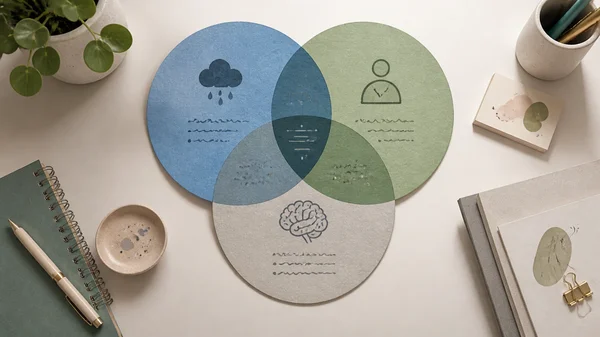
Major depression, clinical depression, and major depressive disorder are commonly used to describe the same core condition. "Major depressive disorder" is the formal clinical term. "Major depression" is a shorter version people often use in articles and conversations. "Clinical depression" is a public-facing phrase that signals depression has moved beyond ordinary sadness and may need professional evaluation.
The confusing part is the word "depression" by itself. It can mean a temporary emotional state, a group of symptoms, or one of several depressive disorders. Someone might say "I feel depressed" after a painful event, while a clinician may use major depressive disorder for a pattern that lasts at least two weeks and includes multiple symptoms that affect daily life.
That does not mean ordinary sadness is unimportant. Grief, burnout, loneliness, and stress can be painful and deserve care. The distinction matters because major depression usually involves a wider pattern: low mood or loss of interest, plus changes in sleep, appetite, energy, concentration, movement, self-worth, or thoughts about death. The pattern is persistent, not just a bad afternoon.
Clinical Depression Symptoms to Watch For
Clinical depression symptoms can look different from person to person. Some people cry often. Others feel flat, irritable, slowed down, restless, or strangely disconnected from things they used to enjoy. For teens, irritability may stand out more than sadness. For adults, the first sign may be trouble keeping up with work, family tasks, hygiene, school, or friendships.
Common symptoms include:
- Feeling sad, empty, hopeless, or unusually irritable most of the day.
- Losing interest or pleasure in activities, people, hobbies, or goals.
- Sleeping much more or much less than usual.
- Appetite or weight changes that are not intentional.
- Low energy, heavy fatigue, or feeling physically slowed down.
- Trouble concentrating, making decisions, or remembering details.
- Feeling worthless, overly guilty, or harshly self-critical.
- Moving or speaking more slowly, or feeling agitated and unable to settle.
- Thoughts about death, self-harm, or not wanting to be alive.
A single symptom does not tell the whole story. Duration, intensity, context, and functional impact all matter. If thoughts of self-harm show up, treat that as urgent. In the United States, call or text 988 for crisis support. If there is immediate danger, call emergency services where you live.
What Causes or Triggers a Major Depressive Episode?
There is no single cause of major depression. It usually develops from a mix of biological, psychological, social, and environmental factors. Family history can raise risk, but a person can experience major depression without any known family pattern. Stressful life events can contribute, but depression can also appear when life looks stable from the outside.
Possible contributors include genetics, changes in brain and body systems, trauma, chronic stress, grief, social isolation, sleep disruption, medical illness, substance use, hormonal changes, and long periods of feeling unsafe or unsupported. These factors do not make depression a character flaw. They describe pressures on a person’s mind and body.
A trigger is not always the same as a cause. A breakup, job loss, academic pressure, medical setback, or conflict may trigger an episode in someone who is already vulnerable. For another person, symptoms may build slowly without one obvious event. This is one reason self-blame is so unhelpful. The better question is not "Why am I like this?" but "What patterns are changing, and what support would help me respond sooner?"
How Is Clinical Depression Treated?
Clinical depression is commonly treated with psychological therapies, medication, lifestyle support, or a combination of approaches. The right plan depends on symptom severity, medical history, age, preferences, access to care, and whether other conditions are present. A primary care clinician, therapist, psychiatrist, or other qualified professional can help sort out the options.
Talk therapies may include cognitive behavioral therapy, interpersonal therapy, behavioral activation, problem-solving therapy, or other evidence-based approaches. These can help you notice thought loops, rebuild routines, reconnect with values, improve communication, and make small changes that reduce symptom burden over time.
Medication may be considered, especially when symptoms are moderate to severe, long-lasting, recurring, or hard to manage with therapy alone. Some people need time to find an option that fits their body and situation. For treatment-resistant depression or severe episodes, specialists may discuss options such as TMS, ECT, esketamine-based treatment, or other advanced care. Newer medications and expanded uses appear over time, but "new" does not automatically mean best for every person.
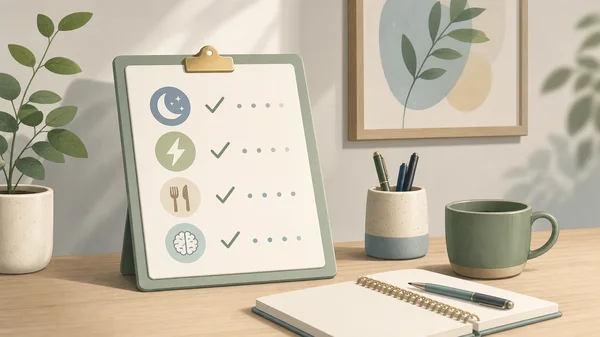
Self-care is not a replacement for professional care, but it can support recovery. Sleep consistency, gentle movement, nourishing meals, reducing alcohol or drug use, and staying connected with trusted people can all be part of the plan. If you are not sure how to describe what has changed, an anonymous depression test can help you organize observations before a professional conversation.

Is Clinical Depression Permanent, Worse, or a Disability?
Clinical depression is serious, but it is not always permanent. Many people improve with time, treatment, support, and practical changes. Some people have one episode. Others have recurring episodes or symptoms that need longer-term management. Thinking of depression as an episodic condition can be more useful than assuming it will either vanish quickly or last forever.
Is clinical depression worse than depression? It depends what someone means by "depression." Compared with everyday sadness, clinical depression is usually more persistent, broader, and more disruptive. Compared with other depressive disorders, severity can still vary. A person with major depression may have mild, moderate, or severe symptoms, and two people with the same label can function very differently.
Clinical depression can sometimes count as a disability when it substantially limits major life activities such as sleeping, thinking, concentrating, communicating, caring for yourself, studying, or working. In the United States, workplace accommodations or disability benefits depend on specific legal rules, documentation, duration, and functional limits. Some people work while managing major depressive disorder; others need temporary leave, schedule changes, reduced distractions, remote-work flexibility, or more intensive support. For legal or benefits questions, use qualified local guidance rather than a general article.
A Practical Way to Think About Your Next Step
If you are trying to decide what to do next, start with a simple snapshot of your last two weeks. Write down what changed, when it started, how often it happens, and what it interrupts. Include sleep, appetite, energy, concentration, school or work, relationships, and any safety concerns. The goal is not to label yourself. The goal is to make your experience easier to explain.
You can also ask yourself:
- What used to feel manageable that now feels unusually hard?
- What have other people noticed about my mood, energy, or behavior?
- What helps even a little, and what seems to make symptoms worse?
- Have I had similar episodes before?
- Would I feel safer talking to a clinician, therapist, trusted adult, or support line?
A private screening tool can be a starting point for reflection, especially when words feel hard to find. If you use a mood self-check resource, treat the result as one piece of information, not a final answer. Bring persistent or worrying symptoms to a qualified professional, and seek urgent help right away if safety is at risk.
FAQ
Is major depression the same as clinical depression?
In most everyday health content, yes. Major depression, clinical depression, and major depressive disorder usually refer to the same condition. The formal term is major depressive disorder, while clinical depression is a more familiar phrase for the public.
What are 5 signs of major depression?
Five common signs are persistent low or irritable mood, loss of interest, sleep changes, low energy, and trouble concentrating. Other signs may include appetite changes, feelings of worthlessness, slowed movement, agitation, or thoughts about death.
Does MDD last a lifetime?
Not always. Some people have one episode and recover well. Others have recurring episodes or lingering symptoms that need ongoing care. Early support, treatment access, and a realistic maintenance plan can reduce the chance that symptoms take over daily life.
How do you treat major depressive disorder?
Treatment may include therapy, medication, lifestyle support, social support, and, for some people, specialist treatments. The plan should be personalized. A qualified professional can also check for other factors, such as medical conditions, bipolar disorder, medication effects, trauma, substance use, or anxiety.
Can you work with major depressive disorder?
Many people can work while managing major depressive disorder, especially with treatment, support, and practical adjustments. Others may need time away or accommodations. Work ability depends on symptom severity, job demands, safety needs, and professional guidance.
Is MDD considered a serious mental illness?
It can be. Major depressive disorder may seriously affect sleep, concentration, relationships, work, school, and physical health. The word serious should not be used to create fear. It simply means symptoms deserve attention and should not be dismissed as weakness.
What is the new drug for MDD?
There is no single "new drug" that fits everyone with MDD. In recent years, U.S. options have included newer oral antidepressants, esketamine-based treatment for specific treatment-resistant situations, and adjunctive medicines used with antidepressants for some adults. Medication choices depend on your history, risks, side effects, other conditions, and clinician judgment.