Male Depression Test: Recognizing Signs, Overcoming Stigma, Taking the First Step
Men's mental health is often a quiet battle. Societal pressure to be strong, stoic, and self-reliant can make it incredibly difficult for men to acknowledge feelings of sadness, hopelessness, or anxiety. Instead of reaching out, many suffer in silence, believing they are alone in their struggle. But are you really just "in a funk," or could it be something more?
This article will help you understand the unique signs of male depression, explore the cultural stigma that acts as a barrier, and show you how to take a safe, confidential first step toward clarity. Understanding your emotional wellbeing is not a sign of weakness; it's a sign of strength. A free, science-based depression test can offer the private insight you need to begin this important journey.

Recognizing Male Depression: Beyond The Stereotypes
Depression doesn’t always look like profound sadness or constant crying. In men, the symptoms can be masked by behaviors that are more socially acceptable, making it hard for both the individual and their loved ones to recognize. Understanding these differences is the first step toward getting the right support.
Why Male Depression Looks Different
Cultural expectations often teach men to suppress emotions that are perceived as vulnerable. Feelings of sadness or despair may be internalized and manifest in ways that don't fit the classic depression stereotype. Instead of expressing vulnerability, men might feel a need to maintain an image of control and strength at all costs.
This pressure can lead to what’s known as “masked depression,” where the core emotional pain is hidden behind a different set of behaviors. This is why recognizing the unique signs of depression in men is so crucial. It requires looking past the surface and understanding the underlying emotional turmoil that may be driving these actions.
Physical Symptoms Often Missed
For many men, depression isn't just a mental state—it's a physical one. Unexplained aches and pains are common physical symptoms of depression that are often overlooked. You might experience persistent headaches, back pain, or digestive issues that don’t seem to have a clear medical cause.
Other physical signs can include chronic fatigue that isn’t relieved by rest, a noticeable change in appetite or weight, and significant sleep disturbances, such as insomnia or oversleeping. Because these symptoms seem purely physical, men may visit a doctor for their stomach problems or headaches, never considering that the root cause could be their mental health.
The Anger Mask: When Depression Becomes Irritability
One of the most common but misunderstood signs of male depression is increased anger and irritability. While everyone gets frustrated, depression can lower your tolerance for stress, making small annoyances feel overwhelming. This may come out as snapping at loved ones, road rage, or a general sense of being on edge.
This anger is often a defense mechanism—a "mask" for the underlying feelings of sadness, hopelessness, or worthlessness. It can feel safer to express anger than it does to admit you are hurting. If you find yourself becoming more hostile, aggressive, or short-tempered, it could be a key indicator that you are struggling with depression.
Breaking The Silence: Understanding The Stigma Barrier
The biggest obstacle preventing men from seeking help for depression is often stigma. Deep-seated cultural beliefs about masculinity create a powerful barrier, making it feel impossible to admit to struggling. Breaking this silence starts with understanding where this stigma comes from.
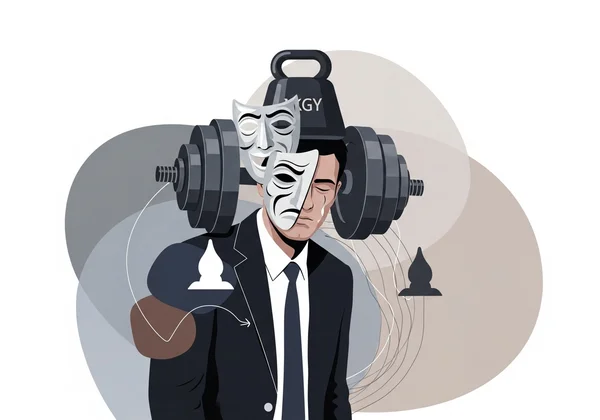
"Real Men Don't Ask For Help": Cultural Conditioning
From a young age, many boys are taught that "boys don't cry." This message evolves into the adult belief that "real men" are tough, independent, and capable of handling their problems alone. This cultural conditioning creates an environment where asking for help is seen as a failure of masculinity.
This pressure forces many men to bottle up their emotions, fearing that admitting to depression will make them seem weak or less of a man in the eyes of their family, friends, and colleagues. This fear of judgment can be paralyzing, preventing them from even considering a conversation about their mental health, let alone seeking professional help.
The Statistics: How Stigma Affects Men's Mental Health
The consequences of this stigma are severe and measurable. According to the National Institute of Mental Health (NIMH), millions of men in the U.S. experience depression each year, yet fewer than half seek treatment. This reluctance leads to higher rates of unmanaged symptoms and tragically, a greater risk of suicide.
Men are also more likely to turn to unhealthy coping mechanisms like substance abuse to self-medicate their emotional pain. The data is clear: stigma isn't just an abstract concept; it's a dangerous force that has a direct and devastating impact on men's wellbeing and longevity. Acknowledging this reality is a vital step in changing the narrative.
Generational Differences: Younger Men's Changing Attitudes
Fortunately, the conversation is starting to change. Younger generations, particularly Millennials and Gen Z, are growing up in a world where mental health is discussed more openly. They are more likely to see mental healthcare as a form of self-care and strength, rather than a sign of weakness.
This shift is creating a more supportive environment where men feel more comfortable talking about their feelings and seeking help. While the stigma is far from gone, this generational change offers hope that future generations of men won't have to face the same silent battles. This evolving attitude makes accessible tools like an online depression screening more important than ever.
Using Depression Tests As Your First Step Toward Wellness
For any man who is hesitant to talk to someone, an online assessment can be a powerful and private first step. It offers a way to explore your feelings without pressure or judgment, providing valuable information that can empower you to take control of your mental health.
Why An Online Depression Test Can Be The First Breakthrough
The primary benefits of an online depression test are confidentiality and accessibility. You can take the assessment from the privacy of your own home, at any time, without having to schedule an appointment or talk to anyone. This anonymity removes the fear of judgment that so often stops men from seeking help.
An online test provides an objective, science-based snapshot of your symptoms. It transforms vague feelings of being 'off' into concrete information. When you receive your result—whether indicating mild, moderate, or severe symptoms—it can be the breakthrough moment that validates your feelings and motivates you to take the next steps. Why not start your test now?
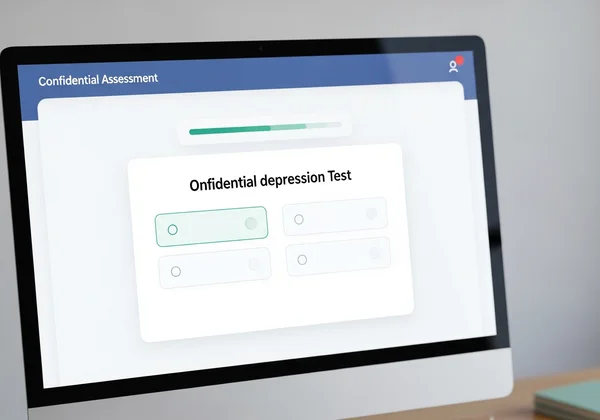
What To Expect: Taking Your First Depression Test
Taking an online depression test is simple and straightforward. Our assessment is based on widely recognized psychiatric screening tools, such as the PHQ-9 questionnaire. You will be asked a series of questions about your mood, energy levels, sleep patterns, and feelings over the last two weeks.
Your answers are completely confidential and anonymous. The process is designed to be quick and easy, providing you with an immediate summary of your results upon completion. This initial feedback gives you a clear overview of your current emotional state, all in a secure, judgment-free environment.
Interpreting Your Results: Next Steps After The Test
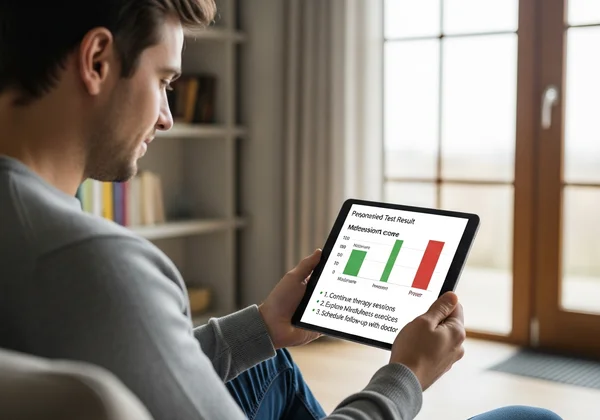
After you complete the assessment, you will receive an instant result summary. This score helps you understand the potential severity of your symptoms. For instance, a result might suggest mild, moderate, or severe depressive symptoms. It’s important to remember that this is a screening tool, not a diagnosis.
Based on your initial results, you may have the option to answer additional questions to unlock a more detailed, AI-powered report. This report can offer personalized insights into your challenges and provide actionable steps for moving forward. Whether your results suggest self-care strategies or consulting a healthcare professional, this information empowers you to make an informed decision about your health.
Your Journey To Better Mental Health Starts Today
Male depression affects countless men, and recognizing its unique signs—such as anger, physical pain, and fatigue—is often the first step toward recovery. These symptoms can be different from the classic sadness many associate with depression, making them harder to identify but equally important to address. The cultural stigma that forces men into silence is a powerful barrier, but it's one we can break together, starting with a single, private action.
You don't have to navigate these feelings alone or in silence. As someone who has seen the benefits of taking that first step, I know that understanding where you stand is a sign of profound strength and self-awareness. Your journey toward better emotional wellbeing is yours to own, and it can begin right now.
Take the first confidential step. Get the clarity you deserve by taking a free, science-based depression test today.
The Takeaway
What are the unique signs of depression in men?
While some men experience classic sadness, many display different signs. Common indicators include physical symptoms like headaches or digestive issues, chronic fatigue, increased irritability or anger, risky behavior like reckless driving, and turning to alcohol or drugs to cope.
How is male depression different from depression in women?
The core condition is the same, but the expression often differs due to social conditioning. Women are more likely to express sadness and feelings of worthlessness, while men are more likely to mask their depression with anger, aggression, or physical complaints. This can make male depression harder to recognize.
Can an online depression test really help men take the first step?
Absolutely. For men who are hesitant to speak to a doctor or therapist due to stigma, a confidential online test is an ideal first step. It provides a private, judgment-free way to assess your symptoms and receive objective feedback, which can validate your feelings and empower you to seek further help. You can try our free tool anytime.
What should I do if my depression test results indicate moderate to severe symptoms?
If your results suggest moderate to severe symptoms, it is strongly recommended that you consult a healthcare professional, such as a doctor or a mental health therapist. A screening test is a valuable tool for awareness, but it is not a substitute for a professional diagnosis. A doctor can help you understand your options and create a suitable treatment plan.
How can I support a man in my life who might be struggling with depression?
Encourage him to talk without judgment. Let him know you are there to listen and that you care. Suggest that he speak to a doctor or try a confidential resource, like an online assessment, as a low-pressure first step. Avoid telling him to "toughen up." Instead, validate his feelings and offer your unwavering support.