Moderate Depression: Meaning, Symptoms, Scores, and Next Steps
Moderate depression sits in the middle of the depression severity spectrum: more disruptive than mild symptoms, but not always as urgent or disabling as severe symptoms. That middle position can make it confusing. You may still get through parts of your day, yet work, school, relationships, sleep, appetite, and concentration may feel noticeably harder than they used to. This guide explains what moderate depression means, how common screening scores are usually interpreted, how it differs from mild and severe depression, and what practical next steps may help. If you want a private way to organize what you have been noticing, a guided depression self-reflection tool can be one starting point, not a replacement for professional care.
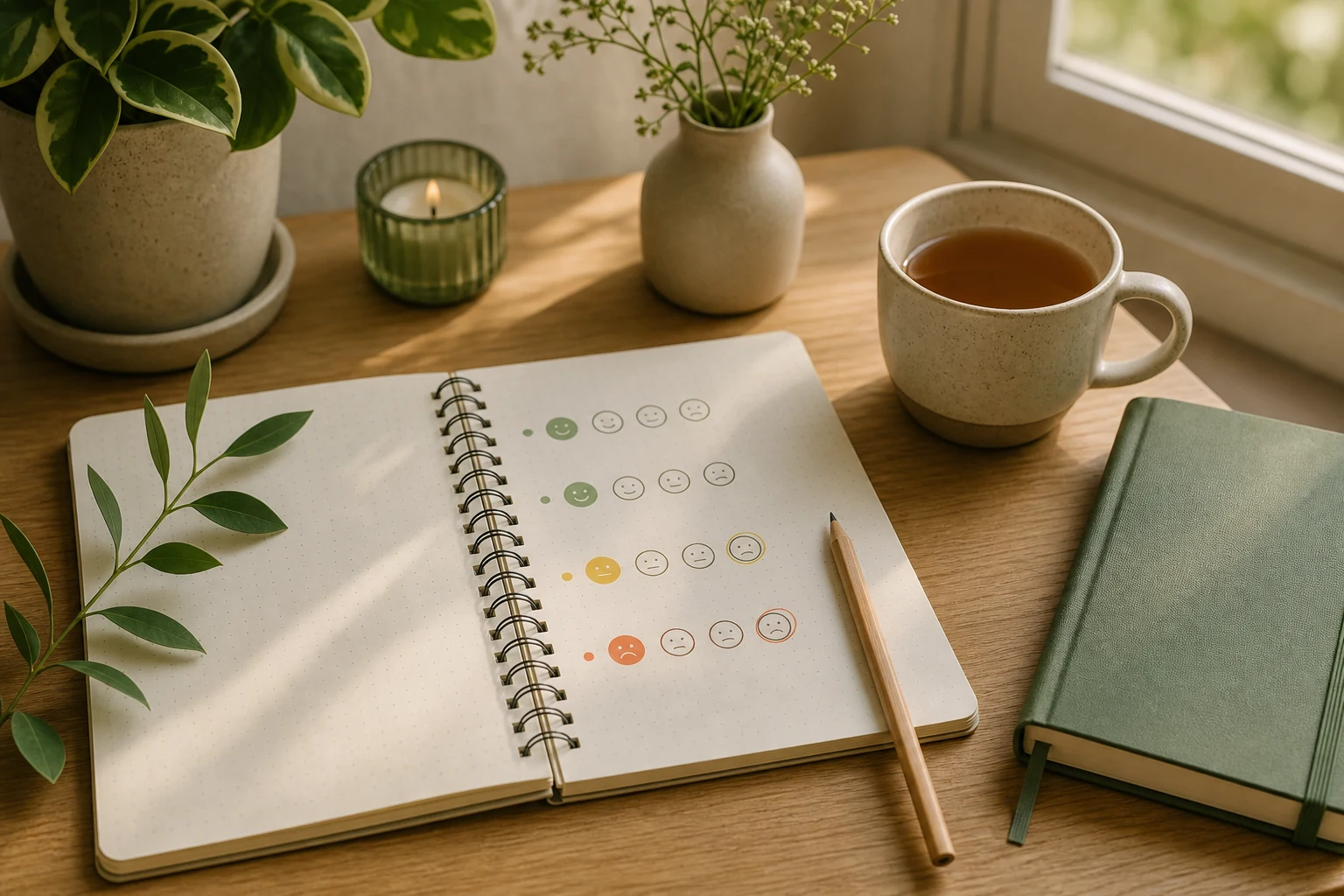
What Moderate Depression Means
Moderate depression is usually a way to describe the severity and impact of depressive symptoms. It does not mean every person has the same experience. One person may feel slowed down, foggy, and unable to keep up at work. Another may seem outwardly functional but spend most evenings exhausted, withdrawn, and unable to enjoy anything.
In practical terms, moderate depression often means symptoms are frequent enough, intense enough, or functionally disruptive enough to deserve attention. It may involve low mood, loss of interest, changes in sleep or appetite, fatigue, guilt, difficulty concentrating, agitation or slowing down, and a sense that ordinary tasks take far more effort than usual. The key difference from a passing low mood is persistence and interference. If symptoms last for weeks, affect multiple parts of life, or keep returning, it is worth taking them seriously.
Moderate depression is also not a personal failure. It is a mental health concern that can be assessed and supported. A screening result can help you describe patterns, but only a qualified health professional can evaluate your full history, risk factors, physical health, medications, life stressors, and safety needs.
Moderate Depression Symptoms in Everyday Life
Moderate depression symptoms often show up as a pattern rather than one dramatic sign. You may notice several smaller changes that add up:
- You can get out of bed, but it takes much more effort than before.
- You keep up with basic responsibilities, but performance drops or deadlines become harder.
- You answer messages less often, cancel plans, or feel emotionally distant.
- Sleep becomes lighter, longer, shorter, or less refreshing.
- Food may become less appealing, or eating may become more irregular.
- Concentration feels unreliable, especially for reading, studying, planning, or conversations.
- Things that used to feel rewarding now feel flat, forced, or pointless.
The word moderate can sound softer than the experience feels. For many people, moderate depression is not mild at all in daily life. It can be tiring, isolating, and hard to explain because you may still look "fine" to others. That is one reason a structured online depression screening resource can help: it gives you a clearer language for patterns you might otherwise minimize.
What Score Is Moderate Depression?
Many online and clinical settings use the PHQ-9, a nine-item depression screening questionnaire, to estimate symptom severity over the past two weeks. On the PHQ-9, a total score of 10 to 14 is commonly interpreted as moderate depressive symptoms. A score of 5 to 9 is often considered mild, 15 to 19 moderately severe, and 20 to 27 severe.
Those numbers are useful, but they are not the whole story. A score can be affected by how you interpret the questions, what happened during the two-week window, whether physical illness is affecting sleep or energy, and whether you are also dealing with anxiety, grief, burnout, substance use, trauma, chronic pain, or major stress. The PHQ-9 also includes an item about thoughts of self-harm. Any positive response to that item deserves careful attention, regardless of the total score.
If your result lands in the moderate range, the main takeaway is not "this label defines you." A better takeaway is: your symptoms may be significant enough to discuss with a doctor, therapist, counselor, or another qualified professional, especially if they are lasting, worsening, or interfering with responsibilities and relationships.
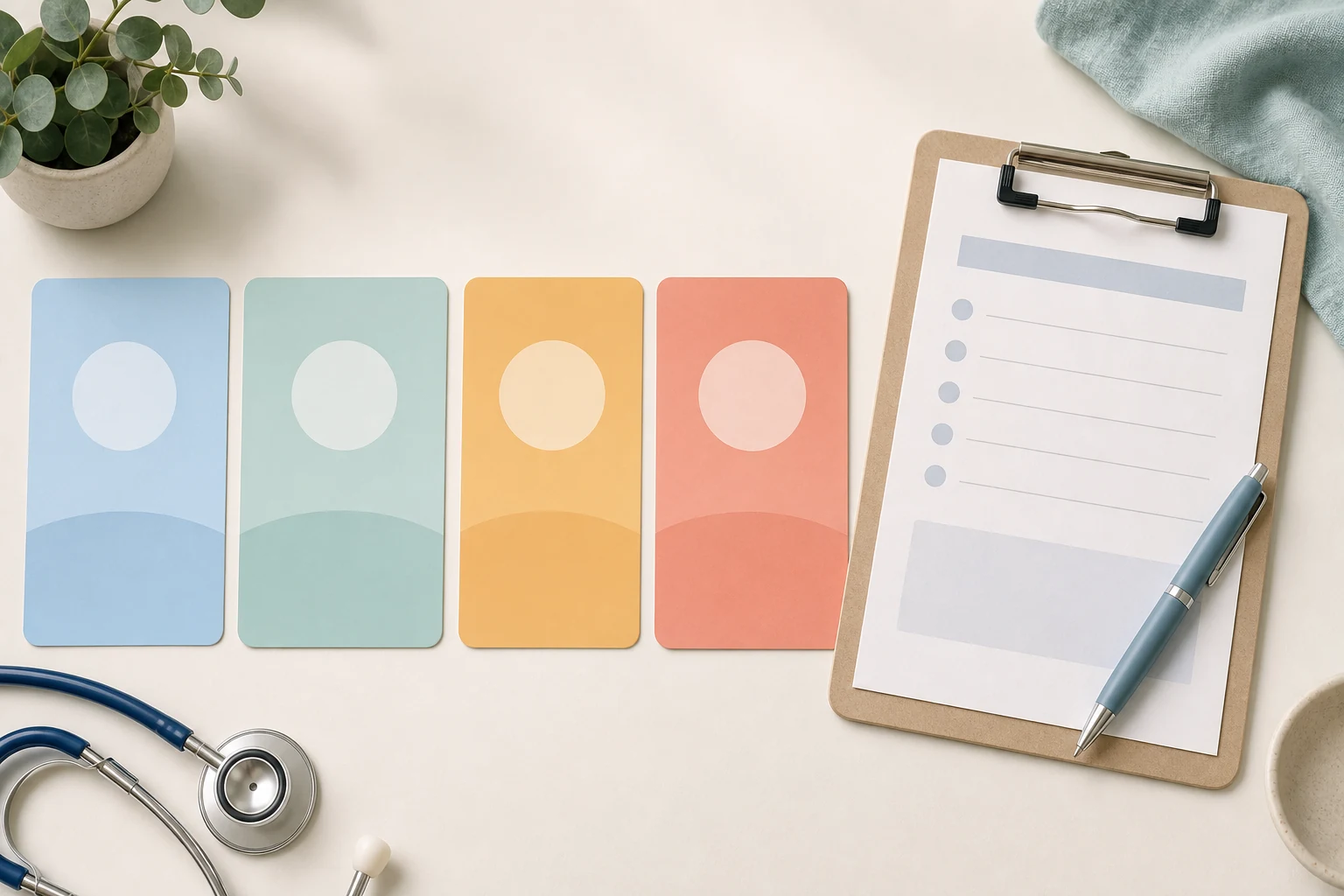
Mild vs Moderate vs Severe Depression
Depression severity is usually judged by a mix of symptom number, intensity, duration, and functional impact. Mild depression may make life feel heavier, but a person can often continue most routines. Moderate depression tends to create clearer disruption: work quality may slip, school attendance may suffer, social contact may shrink, and personal care may become inconsistent. Severe depression can involve profound impairment, inability to manage basic routines, psychosis in some cases, or thoughts of suicide or self-harm.
Here is a practical way to compare the levels:
- Mild depression: symptoms are noticeable but may not deeply disrupt daily functioning.
- Moderate depression: symptoms interfere with important areas of life and are harder to manage alone.
- Moderately severe depression: symptoms are more intense, more persistent, or more impairing than the moderate range.
- Severe depression: symptoms may create major impairment or urgent safety concerns.
These categories are guides, not walls. Symptoms can move up or down over time. Someone may score in the mild range but feel unsafe. Someone else may score in the moderate range and still meet many responsibilities while struggling privately. The context matters.
Can Moderate Depression Become Severe?
Moderate depression can become more severe, especially when symptoms are ignored, stress increases, sleep worsens, social support drops, or other health concerns go untreated. That does not mean worsening is inevitable. It means moderate symptoms are a signal to respond earlier rather than wait until life feels unmanageable.
Signs that symptoms may be intensifying include pulling away from nearly everyone, missing major obligations, using alcohol or substances to cope, feeling hopeless most days, having repeated thoughts of death or self-harm, or feeling unable to stay safe. If you are in immediate danger or might hurt yourself, call emergency services or your local emergency number right away. In the United States, you can call or text 988 for crisis support.
For non-emergency situations, earlier support can still matter. A professional may suggest therapy, medication, lifestyle changes, social support, treatment for related concerns, or a combination. The right path depends on the person. Educational tools can help you prepare for that conversation, but they should not be used as the only source of guidance when symptoms are disrupting your life.

Is Moderate Depression a Disability?
Moderate depression may qualify as a disability in some situations, but the answer depends on the person, the law or benefit system involved, and how much the condition limits major life activities. In the United States workplace context, mental health conditions can be covered by disability protections when they substantially limit activities such as concentrating, thinking, sleeping, working, communicating, or caring for oneself.
The word moderate does not automatically decide the legal answer. A person with moderate symptoms on a questionnaire may have major functional limits, while another person may have less impairment. Documentation from a qualified professional is often important for workplace accommodations, school accommodations, insurance questions, or benefit applications.
If disability rights or accommodations are part of your concern, consider speaking with a healthcare professional, school support office, human resources department, disability services office, or legal aid resource. Keep notes about how symptoms affect concrete activities: missed workdays, reduced concentration, sleep disruption, difficulty completing tasks, social withdrawal, or trouble with self-care.
What Helps With Moderate Depression?
Moderate depression often calls for more than willpower or a simple routine change. Many people benefit from professional support, and common care options may include psychotherapy, medication, or both. A primary care clinician can also check whether thyroid issues, anemia, sleep problems, medication side effects, substance use, pain, or other health factors may be affecting mood and energy.
Self-support can still be valuable when it is realistic. Instead of trying to overhaul your life in one weekend, choose small steps that reduce friction:
- Track sleep, mood, appetite, and energy for one or two weeks.
- Tell one trusted person that you have been struggling.
- Make one appointment or send one message asking about support.
- Reduce avoidable alcohol or substance use if it worsens mood.
- Add brief movement, daylight, or gentle structure where possible.
- Write down examples of how symptoms affect work, school, home, and relationships.
Moderate depression can make planning feel heavy, so the smallest next step counts. The goal is not to prove you are struggling enough. The goal is to make support easier to reach.
A Calm Way to Use Moderate Depression Information
If you are reading about moderate depression because something feels off, try to treat the information as a map, not a verdict. You can review symptoms, note what has changed, and use a private depression screening starting point to organize your thoughts before speaking with someone qualified.
Pay attention to patterns: how long symptoms have lasted, what they affect, what makes them worse, what helps even a little, and whether safety concerns are present. If your symptoms are moderate, persistent, or interfering with daily life, reaching out for professional support is a reasonable and caring step. If you are worried about someone else, stay gentle, avoid arguing over labels, and encourage them to connect with appropriate help.

Frequently Asked Questions
What are the 3 levels of depression?
Depression is often described as mild, moderate, or severe. Some screening tools also include a moderately severe range between moderate and severe. The difference is usually based on symptom intensity, number of symptoms, duration, and how much daily life is affected.
What does moderate depression mean?
Moderate depression usually means depressive symptoms are significant enough to interfere with daily functioning. You may still manage some responsibilities, but work, school, relationships, sleep, appetite, concentration, or self-care may be noticeably affected.
What PHQ-9 score is moderate depression?
On the PHQ-9, a score of 10 to 14 is commonly interpreted as moderate depressive symptoms. Scores are screening signals, not complete evaluations. A professional can consider your score alongside your history, safety, health, and daily functioning.
Is moderate depression bad?
Moderate depression is worth taking seriously. It may not always look urgent from the outside, but it can disrupt daily life and may worsen without support. Reaching out early can help you understand what is happening and what options fit your situation.
Is moderate depression a disability?
It can be, depending on how much it limits major life activities and what legal, school, workplace, or benefit system is involved. The label moderate does not decide the answer by itself. Functional impact and professional documentation often matter.
Can moderate depression turn into severe depression?
It can worsen for some people, especially when symptoms persist without support or stress increases. Worsening is not inevitable. Tracking changes, seeking professional input, and responding to safety concerns early can reduce risk.
What should I do if my symptoms feel moderate?
Consider writing down your symptoms, how long they have lasted, and how they affect your life. Then share that information with a doctor, therapist, counselor, or another qualified professional. If you feel unsafe or might hurt yourself, seek emergency help immediately.