Navigating Mental Health: Finding a Therapist After Your Depression Test
Taking the first step toward understanding your emotional well-being is a sign of incredible strength. You may have recently received results from an online assessment and are now wondering, how do I check if I am depressed? That initial insight is powerful, but it often leads to another important question: "What's next?" The path to professional support can feel confusing, but you don't have to walk it alone. This guide is here to demystify the process of finding a therapist, empowering you to connect with the right help for your unique journey. If you haven't yet, getting a confidential baseline can be a great starting point; you can take a free assessment on our site.

Understanding Types of Therapy & Psychotherapy
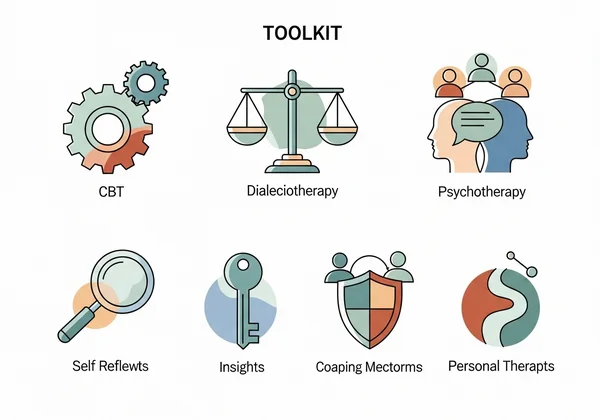
The world of therapy is diverse, with many different approaches designed to help people navigate their challenges. Think of it like a toolkit—different tools are suited for different tasks. Exploring the main types of therapy can shed light on which approach truly resonates with your unique experiences and deepest needs, making the journey feel more personal and effective. It’s the first step in making an informed decision about your mental health care.
What is Psychotherapy? Unpacking the Basics
At its core, psychotherapy, often called "talk therapy," is a collaborative process between you and a mental health professional. It provides a safe, non-judgmental space to explore your thoughts, feelings, behaviors, and experiences. The goal isn't just to talk, but to gain deeper self-awareness, develop healthy coping mechanisms, and work towards meaningful change. Psychotherapy can help you identify the root causes of your distress, whether it stems from past events, current stressors, or unhelpful thought patterns. It empowers you to build resilience and improve your overall quality of life.
Cognitive Behavioral Therapy (CBT): Reshaping Thought Patterns
One of the most researched and widely practiced forms of therapy is Cognitive Behavioral Therapy (CBT). This approach is based on a simple but powerful idea: our thoughts, feelings, and behaviors are all interconnected. CBT helps you identify negative or inaccurate thinking patterns that contribute to emotional distress. For example, you might learn to recognize and challenge automatic thoughts like "I'm a failure" after a minor setback. By learning to reframe these thoughts in a more realistic and compassionate way, you can directly influence your emotional state and actions. CBT is often structured, goal-oriented, and provides practical skills you can use long after therapy ends.
Exploring Dialectical Behavior Therapy (DBT) and Other Approaches
While CBT is popular, it's far from the only option. Dialectical Behavior Therapy (DBT) is another effective approach, originally developed to help people with intense emotional swings. DBT blends cognitive-behavioral techniques with mindfulness practices, focusing on four key skill areas: mindfulness, distress tolerance, emotion regulation, and interpersonal effectiveness. Other approaches include psychodynamic therapy, which explores unconscious patterns and past experiences, and humanistic therapy, which emphasizes self-acceptance and personal growth. The best approach for you depends entirely on your personality, symptoms, and what you hope to achieve.
Group Therapy vs. Individual Sessions: Which is Right for You?
Deciding between group and individual sessions is another important consideration. Individual therapy offers one-on-one attention, allowing you to build a deep therapeutic relationship and focus entirely on your personal challenges. It provides maximum privacy and flexibility. On the other hand, group therapy can be incredibly powerful. Sharing your experiences with others who face similar struggles can reduce feelings of isolation and shame. It provides a supportive community where you can practice new social skills and gain diverse perspectives, all under the guidance of a trained therapist.
Navigating Mental Health Professionals After a Depression Test
Once you have an idea of the type of therapy you're interested in, the next step is finding the right person to guide you. The term "therapist" is often used as a general catch-all, but there are several types of licensed mental health professionals, each with different training and specialties. Understanding these roles will help you narrow your search and find the best fit for your specific needs.
Psychiatrist vs. Psychologist: Key Differences & When to See Each
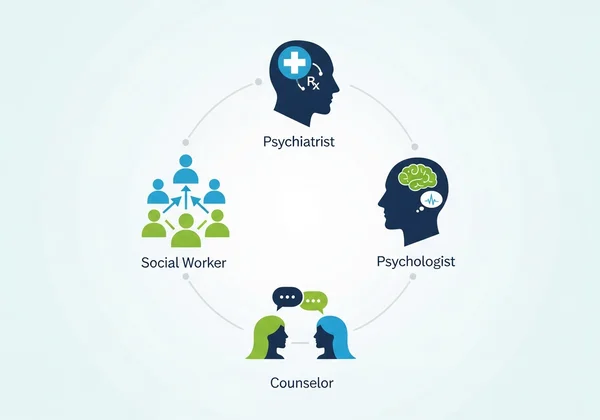
The distinction between a psychiatrist vs. psychologist is one of the most common points of confusion. A psychiatrist is a medical doctor (MD or DO) who specializes in mental health. Because of their medical training, they are licensed to prescribe medication. They often focus on the biological and neurological aspects of mental illness. A psychologist typically holds a doctoral degree (PhD or PsyD) and specializes in psychotherapy and psychological testing. While they cannot prescribe medication in most places, they are experts in talk therapy and behavioral interventions. You might see a psychiatrist for medication management, a psychologist for therapy, or both as part of a comprehensive treatment plan.
The Role of Counselors, Therapists, and Social Workers
Beyond psychiatrists and psychologists, several other professionals provide valuable mental health support. Licensed Professional Counselors (LPCs) and Licensed Marriage and Family Therapists (LMFTs) hold master's degrees and are trained to diagnose and treat mental and emotional disorders through psychotherapy. Licensed Clinical Social Workers (LCSWs) also hold a master's degree and take a holistic view, considering environmental and social factors in addition to emotional and psychological ones. All these professionals are qualified to provide effective talk therapy and can be excellent partners in your mental health journey. To better understand your current state, you can always use our online tool for a preliminary check.
Building Your Support Team: Beyond Individual Therapy
Effective mental health care isn't always limited to a single professional. Sometimes, the best approach is to build a comprehensive support team. This might involve seeing a psychiatrist for medication management while regularly meeting with a psychologist or counselor for therapy. It could also include joining a support group, working with a life coach, or engaging with community resources. Thinking holistically about your support system ensures that you are addressing your well-being from multiple angles, creating a stronger foundation for lasting recovery and growth.
How to Find the Right Therapist for You
You've explored the types of therapy and the professionals who provide it. Now comes the most important part: the search itself. Finding the right therapist is a deeply personal process. The connection you build—often called the "therapeutic alliance"—is one of the strongest predictors of successful outcomes. Taking the time to find someone you trust and feel comfortable with is an investment in your well-being.
Defining Your Needs: Using Your Depression Test Results to Guide Your Search
Before you begin looking, take a moment for self-reflection. What do you want to get out of therapy? Are you looking to manage symptoms of anxiety or depression? Do you need help navigating a life transition or improving your relationships? Consider practical factors as well: Do you prefer a male or female therapist? Is someone with a specific cultural background important to you? Having a clear idea of your needs will make your search more focused and effective. Reviewing your answers from a confidential depression test can help clarify these goals.
Where to Look: Online Directories, Referrals, and Local Resources
There are many avenues for finding qualified therapists. Online directories like Psychology Today, GoodTherapy, and the American Psychological Association's locator are excellent resources. They allow you to filter by location, insurance, specialty, and therapy type. Don't underestimate the power of referrals; ask your primary care doctor for a recommendation. You can also contact your insurance company for a list of in-network providers. Local universities with psychology programs or community mental health centers often offer low-cost services.

Questions to Ask: Making the Most of Initial Consultations
Most therapists offer a free, brief phone or video consultation. This is your chance to interview them and see if it’s a good fit. Prepare a few questions in advance. You might ask about their experience with your specific concerns, their therapeutic approach, what a typical session looks like, and their policies on scheduling and payment. Pay attention to how you feel talking to them. Do they seem empathetic? Do you feel heard and respected? Trust your gut—it's crucial to find someone you feel a genuine connection with.
Affordability & Insurance: Making Therapy Accessible
Concerns about cost should never be a barrier to getting help. If you have health insurance, start by understanding your mental health benefits. Find out about your deductible, copay, and which providers are in-network. If you don't have insurance or your plan has limitations, many therapists offer a "sliding scale" fee based on your income. Community health centers, non-profit organizations, and university training clinics are other excellent sources for affordable care, ensuring that therapy accessibility is a reality for everyone.
Disclaimer: This article is for informational purposes only and is not a substitute for professional medical advice, diagnosis, or treatment. Always seek the advice of your physician or another qualified health provider with any questions you may have regarding a medical condition.
Your Empowered Journey Towards Well-being
Embarking on a journey towards mental health can be challenging, yet each step you take brings you closer to healing and self-discovery. From understanding the different types of therapy to learning how to find the right professional, you are now equipped with the knowledge to take control of your well-being. Remember, this is your journey. Finding the right help is an empowering act of self-advocacy.
Your initial step of seeking information has already set you on a positive course. Continue that momentum. If you're wondering where to begin or wish to gain further clarity, our confidential assessment is available whenever you're ready. Start your test to take that vital first step. Trust yourself to begin this journey—your future well-being will benefit.

Frequently Asked Questions About Seeking Mental Health Support
How do I know if I need therapy after my depression test score?
A depression test score can be a valuable indicator, but it's not a diagnosis. If your score is in the moderate to severe range, or if you consistently feel overwhelmed, sad, or anxious, it's a strong sign that speaking with a professional could be beneficial. Therapy isn't just for crises; it's a proactive tool for building resilience and improving your quality of life. An initial consultation with a therapist can help you decide on the best next steps.
What should I expect during my first therapy session?
Your first therapy session is mostly about getting to know each other. Your therapist will likely ask about what brought you to therapy, your history, your symptoms, and your goals. It's also your opportunity to ask them questions. The main goal is to determine if you feel comfortable and can build a trusting relationship. It's okay to be nervous, but remember there is no pressure to share more than you are ready to.
Can medication help alongside therapy for depression?
Yes, for many people, a combination of medication and therapy is the most effective treatment for depression. Medication, often prescribed by a psychiatrist, can help manage symptoms by addressing the underlying brain chemistry. Therapy provides you with the skills and insights to manage your thoughts and behaviors. Together, they create a powerful, two-pronged approach to healing.
How long does therapy usually take to see results?
The timeline for therapy varies greatly from person to person. It depends on your specific goals, the challenges you're facing, and the type of therapy you're engaged in. Some people notice improvements in a few weeks, while others may benefit from longer-term support. The most important thing is consistent effort and open communication with your therapist about your progress.
Is online therapy as effective as in-person sessions?
Research has shown that online therapy can be just as effective as traditional in-person sessions for many conditions, including depression and anxiety. It offers greater flexibility, accessibility, and convenience. The best format depends on your personal preference and comfort level. Many people find that being in their own environment helps them open up more easily. If you are starting your journey, an online test here can be a convenient first step.