Why Am I So Depressed? Reasons You May Feel Low, Tired, or Angry
If you are asking, "why am I so depressed?", you may be trying to explain a heaviness that does not fit the facts of your life. Maybe things look fine from the outside. Maybe the feeling came on suddenly. Maybe you are tired, irritable, lonely, numb, or sleeping far more than usual. Depression can feel confusing because it is rarely caused by one simple thing. It often grows from a mix of stress, biology, sleep, relationships, health, loss, hormones, habits, and the way your mind has been carrying pain. If you want a private starting point for reflection, a gentle depression self-check can help you organize what you have been noticing, while still leaving medical interpretation to a qualified professional.

Why You Can Feel Depressed Even When Life Looks Good
One of the hardest parts of depression is the gap between your circumstances and your inner experience. You may think, "I have a good life, so why am I depressed?" or "My life is fine, so why do I feel so bad?" Those questions are common, and they do not mean you are ungrateful, dramatic, or weak.
Depression is not only a reaction to obvious disaster. It can show up when your nervous system has been under pressure for too long, when your sleep is poor, when your body is going through changes, when anxiety has been running in the background, or when you have learned to function while quietly ignoring your own needs. Some people look capable at work, show up for family, and still feel empty or exhausted inside.
It can also be difficult to see the trigger while you are inside it. A long season of stress, a strained relationship, loneliness, financial worry, grief, hormonal shifts, or constant self-criticism may not feel like one dramatic event. It may feel like "nothing happened." But small stressors can accumulate until your mood, energy, appetite, sleep, and motivation start to change.
The important question is not whether your life is "bad enough" to justify support. The better question is: are these feelings persistent, painful, or interfering with daily life? If yes, they deserve attention.

Common Reasons You Might Feel So Depressed
Depression is usually multi-layered. The following possibilities are not a checklist for labeling yourself; they are ways to think more clearly about what may be feeding the feeling.
Ongoing stress can drain your mood
Stress is not always loud. It may look like being constantly available, managing conflict, caring for others, working under pressure, studying without rest, or living with uncertainty. Over time, your mind and body may shift from "I can handle this" to "I cannot feel anything except tired."
When stress is chronic, you may feel depressed and stressed at the same time. You might procrastinate, avoid messages, lose interest in activities, or feel guilty for not keeping up. That does not make you lazy. It may mean your system is overloaded.
Sleep and energy changes can make everything darker
Many people search for "why am I so tired and depressed" because low mood and fatigue often travel together. Depression can make sleep worse, and poor sleep can intensify depressed feelings. Some people cannot fall asleep. Others wake too early. Others sleep much more than usual and still feel unrefreshed.
Energy changes can also affect motivation. When brushing your teeth, replying to a text, or making food feels strangely difficult, it may be tempting to call yourself lazy. A kinder interpretation is that your emotional and physical energy may be low, and the next step should be smaller, not harsher.
Anxiety and depression can overlap
If you feel both anxious and depressed, you are not alone. Anxiety can keep your body tense and your mind scanning for danger. Depression can make the future feel flat or hopeless. Together, they can create a loop: worry drains you, exhaustion lowers your mood, low mood makes problems feel bigger, and bigger problems fuel more worry.
This is why asking whether anxiety or depression is "worse" is usually less useful than asking what is affecting you most right now. Is it panic, dread, and racing thoughts? Is it numbness, loss of interest, and low energy? Is it both? Understanding the pattern can help you choose a better next step.
Anger, irritability, and numbness can be part of low mood
Depression is not always crying. Some people feel angry, impatient, or easily frustrated. Others feel blank. You might snap at people, withdraw, scroll for hours, or feel bothered by small tasks that used to be manageable.
Anger can sometimes protect more vulnerable feelings underneath: hurt, shame, fear, grief, rejection, or loneliness. If you are wondering why you are so angry and depressed, try tracking what usually happens before the anger. Is it criticism, feeling trapped, being ignored, sensory overload, alcohol, lack of sleep, or a recurring relationship conflict?
Body changes, hormones, substances, and health issues can matter
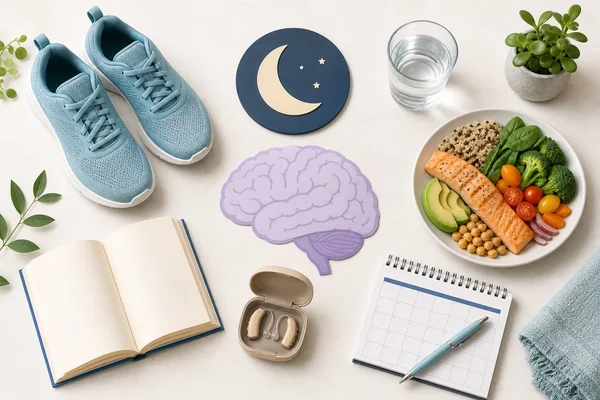
Mood does not live separate from the body. Hormonal changes around menstruation, pregnancy, postpartum recovery, perimenopause, and other life stages can affect mood for some people. Medical conditions, chronic pain, some medicines, substance use, alcohol, and withdrawal from alcohol or other substances can also affect how you feel.
If you notice a pattern such as feeling depressed before your period, after drinking, during pregnancy, after quitting drinking, or after a major change in sleep or appetite, it is worth writing down the timing. Bring that pattern to a health professional, especially if the mood shift is intense, recurring, or unsafe.
Why It Can Feel Sudden, Worse at Night, or Worse After Drinking
Sometimes depression feels like it comes out of nowhere. In reality, there may be a recent trigger, a delayed reaction, or a tipping point after weeks of strain. A breakup, conflict, rejection, job stress, a birthday, a holiday, Sunday-night dread, or returning from vacation can expose feelings you were able to outrun during busier moments.
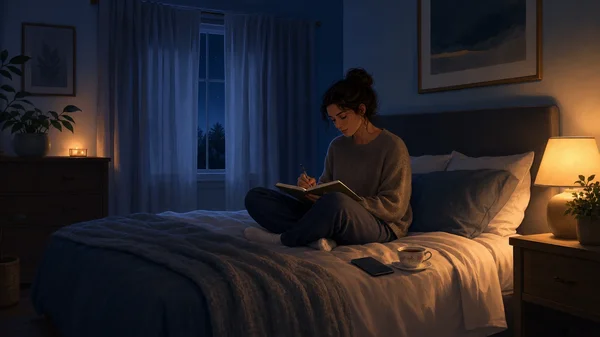
Night can make things feel worse because there are fewer distractions. Your body is tired, the room is quiet, and your mind may replay mistakes, fears, or unfinished problems. If mornings are hardest, the issue may involve sleep quality, dread about the day, body rhythm, or waking into immediate responsibilities.
Alcohol can also complicate mood. Some people feel temporarily relaxed while drinking, then feel unusually low, anxious, ashamed, or exhausted the next day. If you repeatedly ask why you feel so depressed after drinking, consider reducing or pausing alcohol and noticing whether your mood becomes steadier. If stopping feels difficult, support from a professional or recovery resource can make the process safer.
Seasonal patterns can matter too. Some people feel worse in winter, during the holidays, or even in summer if routines, heat, body image stress, loneliness, or social comparison intensify. The pattern is worth noticing, not judging.
What To Do When You Feel Depressed
When you feel depressed, the goal is not to fix your whole life in one burst. The goal is to reduce danger, lower the load, and take one step that makes the next step easier.
First, check safety. If you might hurt yourself, feel unable to stay safe, or feel that life is not worth living, seek urgent help now. In the United States, call or text 988 for the Suicide & Crisis Lifeline, call 911 in an immediate emergency, or contact your local emergency number if you are outside the U.S. If possible, stay near another person while you wait for support.
Second, tell one safe person the truth in simple language. You do not need a perfect explanation. "I have been feeling really low and I do not want to be alone with it" is enough. If speaking feels too hard, send a short text.
Third, choose one body-based action. Drink water, eat something simple, step outside for five minutes, shower, sit near light, or lie down without a screen for ten minutes. These are not magic solutions. They are ways to give your body a little less to fight.
Fourth, write down what changed. Note sleep, food, alcohol, period timing, work stress, conflict, isolation, physical symptoms, and when the mood feels worst. A private mood screening tool may also help you sort symptoms into a clearer pattern before you decide whether to discuss them with a professional.
Finally, consider professional support if the feelings last most days, keep returning, affect school or work, damage relationships, change sleep or appetite, or make you feel unsafe. You do not have to wait until everything is unbearable.

When You Cannot Cope With Life, Treat It as a Signal
"I can't cope with life" is a serious sentence, even if part of you worries you are overreacting. It can mean your current load is bigger than your current support. That does not make you broken. It means the situation needs more care than silence can provide.
Start by shrinking the time frame. Instead of asking how to survive the entire future, ask what would help you get through the next ten minutes safely. Move away from anything you could use to hurt yourself. Sit in a shared space if you can. Call, text, or message someone. If you are in danger, use emergency support.
If the feeling is not immediately dangerous but still overwhelming, lower your expectations for the day. Pick essentials only: safety, food, water, medication if prescribed, one message to a person, and rest. Depression often tells you that because you cannot do everything, nothing matters. That is not a reliable narrator. A small stabilizing action still counts.
It may also help to prepare a short note for a doctor, therapist, counselor, or trusted person. Include when the feeling started, what makes it worse, what helps even slightly, whether sleep or appetite changed, whether alcohol or substances are involved, and whether you have thoughts of self-harm. You deserve support that matches the seriousness of what you are carrying.
A Gentle Way to Understand Your Next Step
If you have been wondering why you are so depressed all the time, why you feel depressed for no reason, or why sadness keeps turning into tiredness or anger, try replacing self-blame with observation. What pattern is repeating? What time of day is hardest? What changed recently? What have you been hiding from other people? What would you tell a friend who described the same thing?
You do not need to prove that your pain is valid before taking it seriously. You can begin with reflection, talk to someone you trust, and seek professional help if symptoms persist or feel unsafe. If you want to organize what you are noticing privately, DepressionTest.co offers an educational depression screening starting point that may support your self-reflection. It is not a replacement for care, but it can help you put words around what has felt vague or overwhelming.
FAQ
What to do when depressed?
Start with safety, then make the next step small. If you might hurt yourself or cannot stay safe, contact emergency support immediately. If you are not in immediate danger, tell one trusted person, eat or drink something simple, reduce alcohol or substances, step into light or fresh air, and write down the symptoms you have noticed. If the low mood lasts most days, keeps returning, or affects daily functioning, speak with a qualified health professional.
Which is worse, anxiety or depression?
Neither is automatically worse. Anxiety and depression can both be painful, and they often overlap. Anxiety may feel like fear, tension, panic, or constant worry. Depression may feel like emptiness, sadness, loss of interest, fatigue, guilt, or hopelessness. What matters most is severity, duration, safety, and how much the symptoms interfere with your life. If both are present, support can address both patterns together.
What are the triggers of depression?
Common triggers can include grief, relationship stress, work or school pressure, financial strain, loneliness, trauma reminders, major life changes, chronic illness, poor sleep, hormonal shifts, alcohol or drug use, and lack of support. Sometimes there is no obvious trigger. Depression can also develop gradually from several smaller stressors rather than one clear event.
Why am I depressed for no reason?
"No reason" often means "no obvious reason yet." Depression can be linked to hidden stress, body changes, sleep disruption, anxiety, isolation, grief, self-criticism, or health factors that are not immediately visible. It can also appear during a life that looks stable from the outside. If the feeling persists or disrupts your life, it is worth discussing with a professional.
Why am I so tired and depressed all the time?
Low mood and fatigue can reinforce each other. Depression can affect sleep, appetite, movement, concentration, and motivation. Poor sleep, illness, chronic stress, alcohol, and some medications may also contribute. If tiredness is intense, new, or persistent, a medical check can help rule out physical contributors while you also address emotional stress.
Why am I so angry and depressed?
Anger can show up when depression mixes with stress, shame, exhaustion, anxiety, feeling trapped, or feeling misunderstood. Irritability may also become stronger when you are sleeping poorly, drinking more, withdrawing from people, or carrying resentment silently. Instead of only judging the anger, look for the need or hurt underneath it.
Why do I feel so depressed after drinking or before my period?
Alcohol can affect sleep, anxiety, energy, and mood after the immediate effects wear off. Hormonal changes before or during a period can also influence mood for some people. Track timing, intensity, sleep, alcohol amount, and safety concerns. If the pattern is severe, recurring, or includes thoughts of self-harm, speak with a health professional promptly.